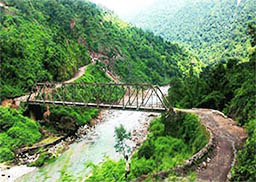
Tour Duration: 07 Nights / 08 Days
Tour Name: Valley of Flowers Tour Package
Tour Price: ₹ 15,999/-Per-Person (Min- 6 Person)
Description
Valley of Flowers Tour Package 2026 – Uttarakhand’s Most Scenic Trek
About Valley of Flowers – Phoolon Ki Ghati
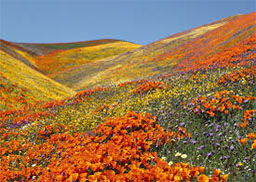
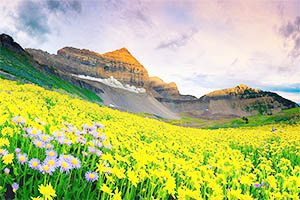
Nestled in the Garhwal region of Uttarakhand, the Valley of Flowers is a UNESCO World Heritage Site — an enchanting destination where nature unfolds in every shade imaginable. The trek is celebrated for its stunning variety of alpine flowers that bloom in summer, transforming the valley into a vibrant sea of colors.
Among the many extraordinary journeys hidden in the Himalayan region of Uttarakhand, the trek to the Valley of Flowers — or Phoolon Ki Ghati — stands apart, where hundreds of species of wildflowers bloom under clear blue skies. The valley sits at an altitude of 3,352 to 3,658 meters above sea level in the Chamoli district and has been acknowledged as an inexplicable experience by renowned mountaineers and botanists alike.
Covering 87 square kilometres, the valley is also home to rare and endangered fauna including Asiatic Black Bear, Snow Leopard, Blue Sheep, Musk Deer, and Himalayan birds.
Quick Trek Overview
| Detail | Information |
|---|---|
| Location | Chamoli District, Uttarakhand |
| Altitude | 3,352 – 3,658 m (11,000 – 12,000 ft) |
| Trek Distance | ~38–42 km round trip from Govindghat |
| Trek Duration | 7 Nights / 8 Days |
| Difficulty Level | Easy to Moderate |
| Starting Point | Govindghat (via Haridwar / Rishikesh) |
| Base Village | Ghangaria |
| UNESCO Status | World Heritage Site (since 2005) |
| Entry Fee (Indians) | ₹200 per adult |
| Entry Fee (Foreigners) | ₹650 per person |
Best Time to Visit Valley of Flowers
The Valley of Flowers opens for visitors on 1 June each year. The valley is famous for its charming meadows of alpine flowers — the best window when flowers are in maximum bloom is between 21 July and 10 August.
Month-wise Bloom Guide
| Month | What to Expect |
|---|---|
| June | Valley opens; snowmelt begins; fewer crowds |
| July | Monsoon begins; blooming starts; lush green landscapes |
| Late July – August | Peak bloom season; maximum flower species visible |
| September | Bloom continues; fewer tourists; pleasant weather |
| October | Valley closes end of month; sparse flowers |
Flowers & Biodiversity
Valley of Flowers is famous for its wide variety of blooming alpine flora, with over 500 species of rare and colourful flowers, including the iconic Brahma Kamal, Cobra Lily, Himalayan Blue Poppy, and many more.
The valley is a riot of colours by mid-August with balsam, anemones, Blue Poppy, Brahma Kamal, primulas, and asters occupying the valley floor. The Pushpawati River flows through the valley and is the major source of moisture — because the soil does not hold much water, flowers bloom immediately after the first monsoon rains. There are also certain carnivorous plant species, identifiable only by a keen observer.
Notable Flower Species
- Brahma Kamal (State Flower of Uttarakhand)
- Himalayan Blue Poppy
- Cobra Lily
- Primula
- Anemone
- Marsh Marigold
- Balsam
- Aster
- Geranium
- Bluebell
Hemkund Sahib – The Spiritual Highlight
An optional visit to Hemkund Sahib — a sacred Sikh pilgrimage site located at an altitude of 4,632 metres, surrounded by seven snow-capped peaks and a crystal-clear glacial lake — is a cherished addition to the Valley of Flowers trek. Most tour packages include it as a combined experience, making this both a nature trek and a spiritual journey.
How to Reach Valley of Flowers
By Air
The nearest airport is Jolly Grant Airport, Dehradun, well-connected to major Indian cities. From the airport, hire a taxi or take a bus to Govindghat (approx. 290 km).
By Train
The nearest major railway station is Haridwar or Rishikesh. From there, shared cabs and buses are available to Govindghat.
By Road
Distance from Rishikesh to Valley of Flowers is approximately 285 km. The trek begins from Govindghat, and the total one-way trekking distance is approximately 18 km.
Trek Difficulty & Fitness Requirements
The Valley of Flowers Trek difficulty is considered easy to moderate for beginners. The trails are well-defined and gradual, except the Hemkund Sahib climb which is steeper.
Yes, beginners can definitely do the Valley of Flowers trek. With basic fitness and the right preparation, it’s a great choice for first-time trekkers. The well-laid path and support from guides makes it beginner-friendly.
Recommended Fitness Preparation: 30 minutes of brisk walking or jogging daily for 4 weeks before the trek.
Things to Carry – Packing Checklist
| Category | Items |
|---|---|
| Clothing | Moisture-wicking T-shirts, fleece jacket, waterproof jacket, warm gloves, woollen cap |
| Footwear | Waterproof trekking shoes with ankle support, extra socks |
| Trek Gear | Trekking poles, daypack (30–40L), rain cover |
| Essentials | Sunscreen SPF 50+, sunglasses, lip balm, headlamp with extra batteries |
| Medical | Personal medications, ORS sachets, altitude sickness tablets (consult doctor) |
| Documents | Government-issued ID (Aadhaar/Passport), 2 passport-size photos |
Permits & Regulations
You can register and apply for a permit online through the official website of Valley of Flowers, or get it done upon arrival at the Ghangaria forest checkpost.
A government-issued ID — Aadhaar, PAN Card, or Voter ID for Indians, and Passport for foreigners — is required.
Most trekking operators also ask you to sign a health declaration for safety.
Entry Permit Cost:
- Indians: ₹200 per adult
- Students (18+): ₹100
- Foreigners: ₹650 per person
Park Timings: Valley of Flowers opens daily at around 7:00 AM and entry gates close at 5:00 PM. Start your hike by 6:45 AM to have ample exploration time.
Frequently Asked Questions
When does Valley of Flowers open in 2026?
The Valley of Flowers National Park is open from 1 June to 31 October 2026.
Is Valley of Flowers safe for solo female trekkers?
Yes, Valley of Flowers is a safe place to visit. The local people are welcoming and supportive. Many trekking operators also run women-only batches during the season.
Can the Valley be visited in one day?
No. The Valley of Flowers trek cannot be completed in a single day. You first need to reach Ghangaria, the base village, and then visit the valley.
Is the trek suitable for families with children?
Yes, the trek is suitable for families with children above 8 years of age who are reasonably fit. The trail is gradual and well-marked.
What network and connectivity is available?
The main network hub is Joshimath. Networks available include Airtel, Vodafone-Idea, BSNL, and Jio. Connectivity becomes limited at higher altitudes and inside the valley.
Should I book a package or go independently?
Guided tours offer convenience, local expertise, and logistical support. They are especially beneficial for first-time trekkers and solo travellers. A reliable trekking operator also assists with permits and emergency support during changing mountain conditions.
Book Your Valley of Flowers Tour Package
Experience one of India’s most beautiful Himalayan treks with our professionally managed Valley of Flowers Tour Package . From transportation and accommodation to permits, meals, guides, and the optional Hemkund Sahib trek, we take care of everything so you can focus on enjoying the journey.
Contact Euttarakhand Package today for the latest prices, group departures, private tours, and early booking discounts.
Itinerary
Day 01: Delhi – Haridwar
As you arrive in Delhi, meet our tour representative who helps you with an assisted road transfer to Haridwar. On the way, stop for lunch. Upon reaching Haridwar, complete the check-in formalities at the hotel. Freshen-up and get ready for exploring this holy city on the banks of River Ganga. Visit the very popular Ganga ghat, Har-ki-pauri. The evening is scheduled for the remarkable Ganga aarti, the river worshipping ceremony. While holy chants are played in the background, admire the wonderful sight of lighted lamps that falls into the flowing water of the river. Back to the hotel for dinner.Stay overnight in Haridwar.
Day 02: Haridwar – Joshimath
Enjoy breakfast. Later start your drive to the beautiful hill town of Joshimath. It is also a popular Hindu pilgrimage center. As you are driving upwards, halt at the holy sites of Devprayag, Rudraprayag and Karnprayag, the confluences of the Alaknanda River with River Bhagirathi, River Mandakini, and River Pindar. Continue your journey to Joshimath. As you reach, check into the hotel is followed by sightseeing. Overnight stay.
Day 03: Joshimath – Govindghat – Ghangaria
Today, post breakfast, start driving to Govindghat, a beautiful hamlet, which is equally popular amid adventure enthusiasts and pilgrims. Govindghat is also known to be the starting point of trek to Valley of Flowers and Hemkund Sahib Trek. From here, start your trek to the beautiful Ghangaria village. It is placed on the confluence of River Pushpawati and River Ramganga and is also the last human habitation center during the trek. The village lies in the Bhyundar valley. As you arrive in Ghangaria, check -in at the hotel. The evening is for relaxing. Overnight stay.
Day 04: Ghangaria – Hemkund Sahib – Ghangaria
On the 4th day of the tour, trek to Hemkund Sahib starts. Hemkund Sahib is a highly revered pilgrimage center among Sikhs, associated with the 10th Sikh Guru, Guru Gobind Singh. It is believed that he meditated here for several years.On your way to gurudwara, you come across attractive views of magnificent Himalayas, cascading waterfalls and lush forests. Referred as Gurudwara Sri Hemkunt Sahib, Hemkund Sahib is the highest gurudwara of Sikh community that is settled at an altitude up to 4329 meters above the sea level. It is a star shaped gurudwara made up of white marble. Offer sincere prayers at the gurudwara and get the blessings of almighty. Thereafter, return to Ghangaria. Stay overnight.
Day 05: Ghangaria – Valley of flowers – Ghangaria
The winsome scenic beauty formed by range of flowers is simply mesmerizing. And adding on to its charm is the tranquil ambience that makes it look more fascinating. Moreover, if you are lucky enough, you may also spot Musk Deer, Brown beer, Red fox, Blue sheep and Asiatic Black bear. Back to Ghangaria in the evening. Overnight stay.
Day 06: Ghangaria – Govindghat – Rudraprayag
In the morning, embark on the 13 km trek from Ghangaria to Govindghat. Treat your eyes to the wonderful views. As you reach Govindghat, drive to Rudraprayag. On arrival, check-in at the hotel. The remaining day is at leisure. Take rest or explore the place on your own. Overnight stay in Rudraprayag.
Day 07: Rudraprayag – Rishikesh – Haridwar
Today, start your road journey to Rishikesh, the ‘Yoga Capital of India’. This is a beautiful pristine town on the banks of River Ganga. It is dotted with innumerable temples and ashrams. Enjoy sightseeing and temple tour of Rishikesh. Some of the popular attractions in Rishikesh include Lakshman Jhula, Ram Jhula, Neelkanth Mahadev Temple, Triveni Ghat, Parmarth Niketan Temple, and Swarg Ashram. Later in the day, get transferred to Haridwar. After arrival, check in at the hotel.Stay overnight in Rishikesh.
Day 08: Haridwar- Delhi for departure
Today is the last day of the tour. Partake in local sightseeing and temples tour of Haridwar. Later in the day, drive to Delhi. Get to the railway station or the airport for your onward journey.
- Pick up and drop from airport/railway/bus station.
- Accommodation on double/twin sharing basis.
- breakfast and Dinner included at hotels.
- Transfers and sightseeing by private vehicle.
- Driver’s bata, toll, parking, road tax, fuel charges All applicable taxes.
- Service Tax – 5% GST Extra.
- Any air/bus/rail fare Any other meals not mentioned in package inclusions.
- Any other destination not mentioned in itinerary.
- VIP darshan pass
- Guide charges/boating charges/entrance fees for any sightseeing
- Accommodation at Ghangaria